Skip to content

Sukuma Museum

Bujora Cultural Centre – Kisesa, Mwanza, Tanzania.

  • Habari – News from Bujora
  • Warsha
    • What is Warsha ya Utamaduni?
    • Warsha ya Utamaduni 2018-2019
    • Warsha ya Utamaduni 2017
      • Kursus i Sukumaland 2017
    • Warsha ya Utamaduni 2016
      • Kursus i Sukumaland 2016
    • Warsha ya Utamaduni 2016
    • Warsha 1993 – historical pictures
  • Museum
    • Profile and Mission Statement of the Sukuma Museum
      • En introduktion til Bujora kulturcenter i Mwanza, Tanzania
    • The History, Context and Identity of the Sukuma Museum
    • A Short Tour of the Sukuma Museum
  • Archives
    • Sukuma Culture and Tanzania
    • Sukuma Chiefs and Royal History
  • Drums & Dance
    • Sukuma dancing & dawa
  • Contact us

Warsha ya Utamaduni 2016!

May 3, 2016January 24, 2016 by Sukuma Musuem, Mchele Gwa Njingi

Again in 2017 we will arrange WARSHA. Click here to find out more…

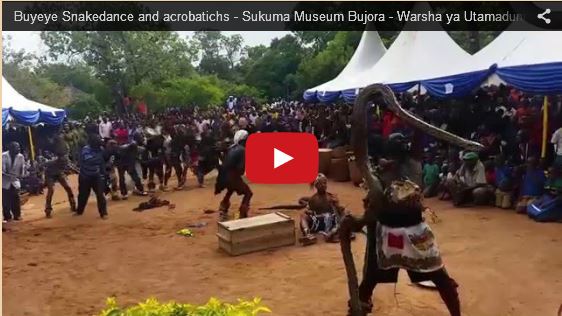
The workshop in traditional sukuma culture, Warsha ya Utamaduni, is up and running. See below some video from the dancing and drumming below. Read more about the workshop here….
To se the videos click the “Read More”-button below:


Share this:

  • Share
Categories Habari za Sukuma Museum
Video greeting from Germany
Bugunda ya Ntulay

Like us on Facebook:

Like us on Facebook:

NEWS

As a collaborator with Bujora Cultural centre (Sukuma Museum), we deeply value the site's rich history—rooted in Sukuma chiefdoms, the missionaries' route, Kageye Historical site has been underdeveloped for a long time especially after the death of Fr. David Clement who started Bujora Museum. In the year 1875, explorer Henry Morton Stanley surveyed the geographical area of the village of Kageye and wrote that this village is located 25 miles (39 kilometers) from the shores of Nyanza or Lake Victoria, east of the city of Mwanza, near the small town of Kayenze, 16 miles (24 kilometers) from the Sukuma museum in Bujora. Kageye is a village under the Sukuma Kingdom. This area have been established about 400 years ago by a notable person named Nkanda, who was known for appointing his nephews, the Babinza, as chiefs. When Kageye began to be known and famous, the Sukuma Kingdom was under Chief Nkingwa Machimu, who lived in the village of Ng’wakipili, now called Kibambi, near Nyanguge. The chief's assistant in the Kageye area at that time was called Kaduma Nguku. In East Africa, the slave trade was carried out by Arabs. This trade continued worldwide despite the outcry from figures like Dr. Livingstone. By 1830, the slave trade had been abolished in the British Empire In 1845, the Sultan of Zanzibar also announced a ban on the transportation of slaves, although slavery remained legal within his rule. Kageye was very famous for the slave trade involving slaves from Buganda and Ukerewe. In 1890, a German named Stuhlmann banned the slave trade at the Arab stations of Masanza, Magu, and Kayenze by directly prohibiting human trafficking. Following this action, Stuhlmann found hundreds of freed slaves, many of whom were not Sukuma. There were also those from Kilwa, as well as Wabemba and Wagogo. The brutal legacy of the Arab slave trade (where captives from Uganda and northwest Tanzania were held before their journey to Bagamoyo and Zanzibar), and the graves of early explorers and missionaries.

Kageye Historical Site

OUR SERVICES RENDERED

WATEMI WA KISUKUMA BULABO 2021

BULABO 2021

Bujora feautured in leading Danish newspaper

Video from Bujora by Tanzania Tourist Board

Swedish documentary on Sukuma!

Wonderful Warsha Video 2017!

Everybody wants to greet you

Warsha 1993 – historical pictures

© Sukuma Museum Bujora 2025 | Website build with by Mchele gwa Njingi, Safi.dk